
How Machine Learning Sees Your Lead Channels
Let me start with something I see almost every week.
A business launches a new website. The design looks great. The logo is perfect. Pages are polished.
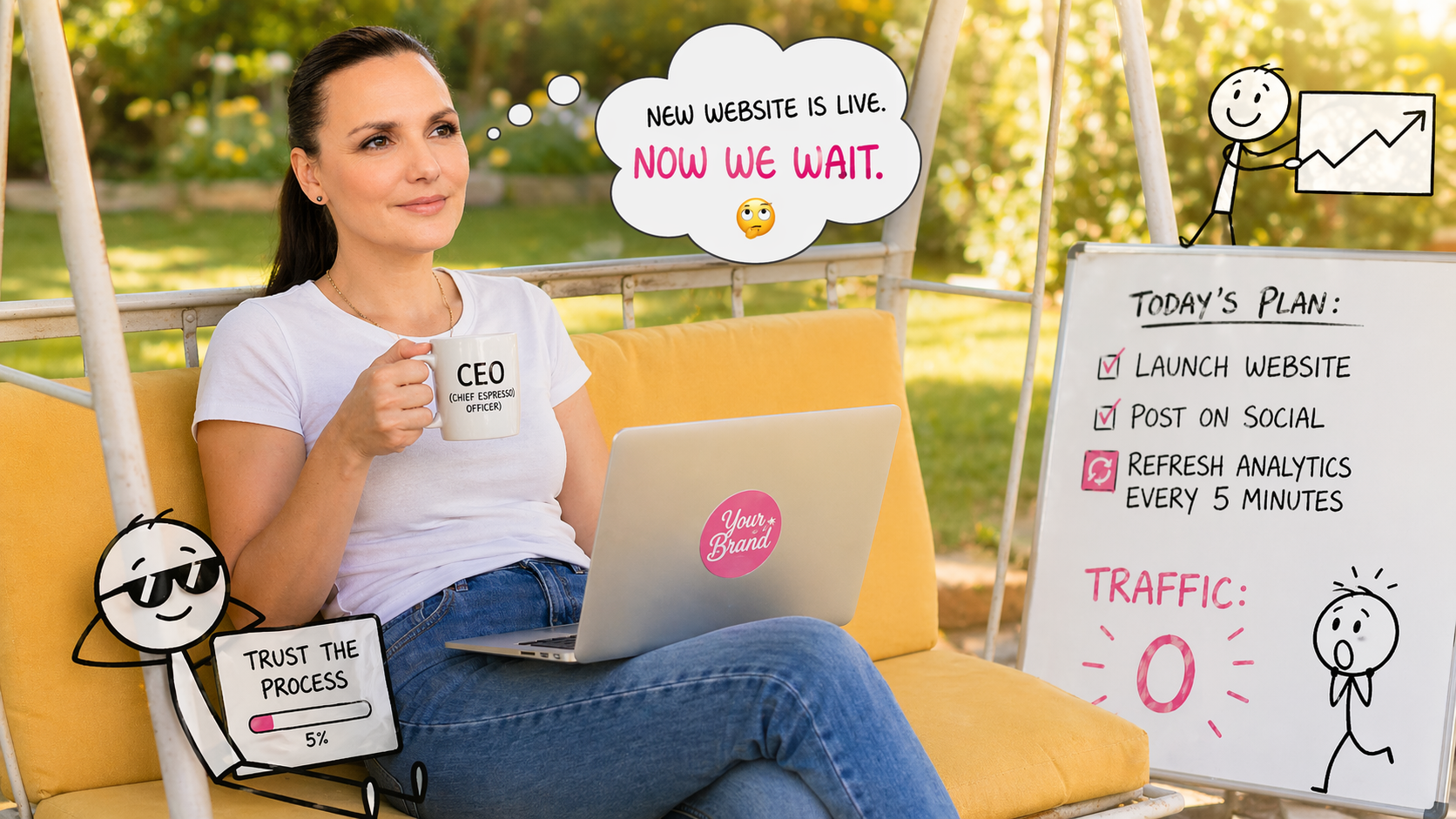
And then comes the question: “Where do we get website traffic now?”
The honest answer? – Traffic doesn’t come from websites. It comes from channels that feed machine learning systems.
Today, website traffic is not just marketing. It’s a relationship between your business and algorithms.
Let’s talk about how that actually works.
Website Traffic Is Not One Thing Anymore
Ten years ago, website traffic meant:
- SEO
- Google Ads
- maybe Facebook Ads
Today it means something completely different.
Modern website traffic comes from ecosystems:
- search engines
- social platforms
- AI discovery layers
- referral networks
- email signals
- behavioral modeling systems
Your website is not the center anymore. It’s the destination node inside a machine learning network. Understanding this changes everything.
Types of Digital Marketing Channels That Drive Website Traffic
When business owners ask: where to get traffic for my website they usually expect a list. Here is the real list performance marketers use.
Organic Search Traffic (SEO)
Still the strongest long-term channel.
Why?
Because search traffic is intent-driven. Users already want something.
Modern SEO signals include:
- topic authority
- internal linking structure
- behavioral engagement
- entity recognition
- semantic coverage
- AI discoverability
Google processes over 8.5 billion searches per day (Statista).
Search remains the highest-quality traffic source for most industries.
Paid Search Traffic (Google Ads)
Paid traffic trains faster than organic traffic.
Machine learning systems inside Google Ads evaluate:
- click probability
- conversion probability
- session quality
- audience similarity clusters
When campaigns are structured correctly, paid search becomes: not traffic buying, but intent amplification
Social Media Traffic
Social traffic behaves differently. People there are not searching. They are scrolling.
So algorithms evaluate:
- pause signals
- watch time
- saves
- shares
- engagement depth
Platforms prioritize content that creates interaction loops.
Meaning: your content earns traffic before your website does.
Direct Traffic (The Most Misunderstood Channel)
Direct traffic is not always direct.
Often it includes:
- dark social sharing
- saved links
- repeat visitors
- offline referrals
- brand recall signals
Machine learning systems treat repeat visits as trust indicators. This improves ranking probability across multiple channels.
Referral Traffic
Referral traffic builds authority.
Examples:
- blog mentions
- directories
- partnerships
- resource lists
- community platforms
Google still treats external references as credibility signals.
AI systems treat them as relationship signals. Both matter.
How Machine Learning Evaluates Your Website Traffic Sources
This is where marketing changed permanently. Modern platforms don’t just count traffic. They classify traffic quality.
Algorithms evaluate:
- session duration
- scroll depth
- bounce behavior
- navigation patterns
- return probability
- similarity to converting users
In performance marketing we call this: behavioral clustering.
Instead of asking: how much traffic do I have? – algorithms ask: how predictable is this traffic?
Predictable users convert more often. And machine learning systems reward predictability.
Audiences Are No Longer Demographics
One of the biggest mistakes businesses make when thinking about website traffic: they still think in demographics.
Example:
women 25-45;
homeowners;
small business owners.
Platforms don’t think like that anymore. Algorithms think in behavior patterns.
Examples:
users comparing options;
users researching solutions;
users ready to buy;
users exploring ideas;
users validating decisions.
This is why two people with identical demographics behave completely differently online. Traffic quality comes from behavior alignment. Not audience guessing.
Search Engine Algorithms vs AI Discovery Algorithms
Search engines and AI assistants evaluate traffic differently.
Search engines prioritize:
- topical authority
- keyword alignment
- internal structure
- engagement metrics
AI discovery systems prioritize:
- clarity
- expertise signals
- structured explanations
- consistency across content
- entity relationships
That means your website traffic strategy must support both. Traditional SEO alone is no longer enough.
Modern strategy combines:
SEO + AIO (AI Optimization) + content architecture + authority signals.
Why Some Websites Get Traffic Immediately (And Others Don’t)
This part surprises many business owners. Traffic speed depends on signals already attached to your domain.
Machine learning systems evaluate:
domain history;
content depth;
topic consistency;
external references;
technical stability;
user interaction signals.
If your site launches without these signals, algorithms need time to understand it. Traffic delay is not failure. It’s interpretation time.
A Simple Example From Real Projects
Let me describe a situation I see often.
A company launches a new website and invests heavily in:
design;
branding;
development.
But skips traffic strategy.
Month 1: almost no visitors
Month 2: random social traffic
Month 3: small paid campaign
Still no consistent growth. Why?
Because machine learning systems had no signal framework.
After restructuring:
search intent pages;
internal linking;
channel alignment;
conversion tracking;
audience segmentation.
Traffic stabilized within 6 weeks. Not because we added ads – Because we added signals.
The Real Answer to “Where to Get Traffic for My Website”
Here’s the honest answer I give clients. Website traffic comes from three layers.
Layer 1 — Intent Traffic
Search engines;
directories;
solution comparisons.
Users are already looking.
Layer 2 — Discovery Traffic
Social media;
AI assistants;
recommendation feeds.
Users exploring.
Layer 3 — Trust Traffic
Email;
referrals;
return visitors;
community mentions.
Users are already familiar with you.
Most businesses focus only on Layer 1. Strong brands build all three.
Tools That Help Understand Website Traffic Sources
You don’t need enterprise analytics to start.
Free tools:
Google Search Console
Google Analytics 4
Microsoft Clarity
Paid tools:
SEMrush
Ahrefs
SimilarWeb
These tools help answer:
where traffic comes from,
how users behave,
what signals algorithms see.
Understanding signals improves strategy decisions.
What I Recommend Before Scaling Traffic
Before increasing traffic volume, I always check:
content alignment
internal structure
conversion pathways
technical performance
tracking setup
Because more traffic without structure creates more confusion. And confusion breaks machine learning optimization.

4 comments
[…] a traffic article starts getting impressions around where website traffic comes from, that may support a deeper article about organic, paid, social, referral, and AI-driven discovery […]
[…] Traffic has to come from somewhere. […]
[…] before advanced event tracking is configured, default analytics can help answer questions […]
[…] Why is there no traffic?Why are there no leads?Why didn’t this work? […]
Comments are closed.